Can property education bring employees back to the office?
Pina Brandi • March 10, 2025

In today's rapidly evolving business landscape, fostering a culture of continuous learning within the workplace is more crucial than ever. Modern employees, particularly millennials and Gen Z, prioritise workplaces that align with their values and offer growth opportunities. As organisations encourage a return to the office, integrating educational initiatives like Lunch & Learn sessions can significantly enhance company culture, employee engagement, and retention.


The Shift in Employee Priorities


Gone are the days when a paycheck alone could secure employee loyalty. Today's workforce seeks more—they desire purpose, development, and alignment with their personal values. A recent survey highlighted that job satisfaction in sectors like health and social care isn't primarily driven by high wages. Instead, factors such as a sense of purpose, supportive programs, and meaningful interpersonal connections play pivotal roles.


This shift underscores the importance of creating a workplace environment that offers more than just monetary rewards. Employees are drawn to organisations that invest in their personal and professional growth, fostering a sense of belonging and commitment.


The Role of Continuous Education in the Workplace


Continuous education is a cornerstone of a thriving organisational culture. It equips employees with the skills and knowledge needed to adapt to industry changes, driving both individual and company success. Training programs, whether technical, quality-focused, or centered on soft skills, enhance employee competence and confidence.


Moreover, organisations that prioritise learning often experience higher rates of employee engagement and retention. When employees feel valued and see opportunities for growth, they're more likely to remain loyal and motivated.


Lunch & Learn Sessions: Bridging Education and Engagement


One effective strategy to promote continuous learning is through Lunch & Learn sessions. These informal gatherings provide employees with the opportunity to learn about topics beyond their immediate job scope, fostering a culture of curiosity and development.


Benefits of Lunch & Learn Sessions:


  • Enhanced Engagement: Employees appreciate the opportunity to learn in a relaxed setting, leading to increased job satisfaction.
  • Knowledge Diversification: Sessions can cover a wide range of topics, from industry trends to personal development, broadening employees' horizons.
  • Strengthened Team Dynamics: Shared learning experiences can foster collaboration and camaraderie among team members.
  • Efficient Use of Time: Utilising lunch breaks for learning ensures productivity without encroaching on personal time.


Implementing Effective Lunch & Learn Programs


To maximise the impact of Lunch & Learn sessions, consider the following best practices:


  1. Identify Relevant Topics: Choose subjects that resonate with your team's interests and professional needs.
  2. Engage Expert Speakers: Invite knowledgeable individuals who can provide valuable insights and stimulate discussion.
  3. Encourage Participation: Foster an interactive environment where employees feel comfortable sharing thoughts and asking questions.
  4. Provide Incentives: Offering refreshments or small incentives can boost attendance and engagement.
  5. Gather Feedback: Collecting input post-session helps refine future programs to better suit employee preferences.


PB Property _lunc_and_learn_Perpetual_Financials

Why Offer This to Your Employees?


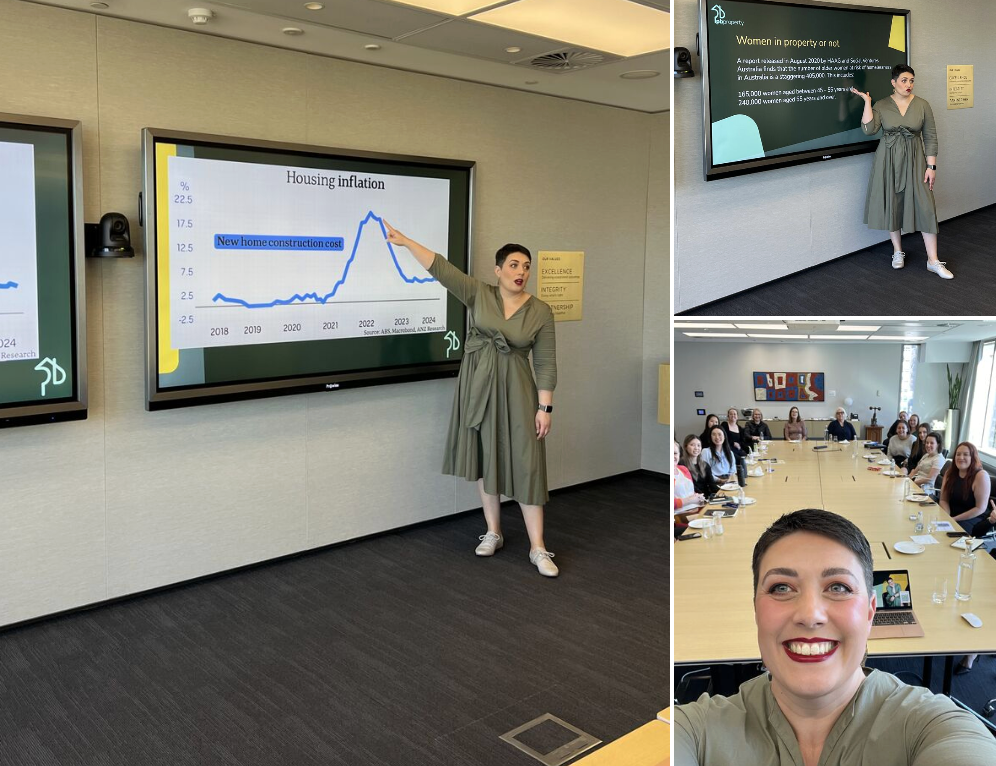
At PB Property, we offer tailored Lunch & Learn sessions designed to help your employees gain confidence in the property market. Whether they are first-time buyers, investors, or simply curious about real estate, our sessions provide actionable insights to navigate the market effectively. We break down the noise from the media, clarify what's real and what’s just hype, and ensure each session is customised to meet the needs of your team.


Providing property education is a fantastic way to support your team’s financial well-being, reduce stress, and empower them with real-world knowledge. Investing in their future means investing in a stronger, more engaged workforce.

What’s Included in a Lunch & Learn Session?


  • Property Market Trends – Separating facts from media hype
  • Government Grants & Incentives – A simple breakdown of what’s available
  • Is Now the Right Time to Buy? – Understanding timing vs. long-term value
  • Practical Steps to Property Ownership – Guidance tailored to different financial situations
  • Interactive Q&A – Customised insights for your team


Sessions are available in-person (boardroom setting) or virtually (via Zoom), ensuring flexibility for your workplace.


Integrating continuous education initiatives, such as Lunch & Learn sessions, is essential in cultivating a vibrant workplace culture that resonates with today's workforce.


By investing in employee development and offering opportunities for personal growth, organisations can enhance engagement, retention, and overall success.


Contact us today to book a  Lunch & Learn session and help your employees take real steps toward property confidence!

share to

By Pina Brandi December 10, 2025
Around 2017–2018, growth stalls and dips modestly after APRA’s investor growth cap (2014) and interest‑only cap (2017), which is the effect you’re asking about.
By Pina Brandi December 1, 2025
Melrose Park’s transformation from an industrial precinct into a residential and mixed-use community has been a strategically significant shift for Sydney’s urban future. Historically, the area was home to pharmaceutical and light-industrial operations, but over time these industries declined, consolidated elsewhere, or simply outgrew the outdated warehouses and fragmented road layout. Keeping the land zoned industrial would have meant under-utilising a large, strategically located pocket of Sydney at a time when housing demand is at critical levels. Redeveloping Melrose Park allows Sydney to introduce thousands of new homes in an inner-suburban area without pushing growth further to the city’s outskirts. With capacity for around 10,000–11,000 dwellings, plus retail, open space, a new high school and community facilities, the precinct is envisioned as a self-contained, modern neighbourhood with liveability at its core. Instead of being an isolated residential pocket, Melrose Park is being planned as a walkable, amenity-rich town centre where green spaces, urban parks, and mixed-use buildings form a cohesive and sustainable environment. Its location is one of its strongest advantages. Positioned on the Parramatta River, the suburb sits almost exactly halfway between Sydney CBD and Parramatta CBD, making it highly attractive for commuters who want balance, convenience and lifestyle. It is minutes from major employment hubs, established transport corridors like Victoria Road, and future connections that will further integrate the precinct into Sydney’s broader network. The land parcel is also unusually large and contiguous for an inner-suburban area, enabling a full masterplan rather than piecemeal development.  Overall, the shift from industrial to residential in Melrose Park wasn’t just a rezoning exercise; it was a strategic realignment of land use to meet Sydney’s changing economic, demographic, and lifestyle needs. Its prime location ensures the precinct will continue to attract demand, support growth, and deliver long-term value for residents and investors alike.
By Pina Brandi November 29, 2025
APRA has been explicit that the DTI cap is a financial‑stability tool, but it is deliberately designed not to choke off finance for new housing supply
Show More