Melbourne Property Market: The Dormant Giant Worth Watching in 2025
Pina Brandi • July 7, 2025

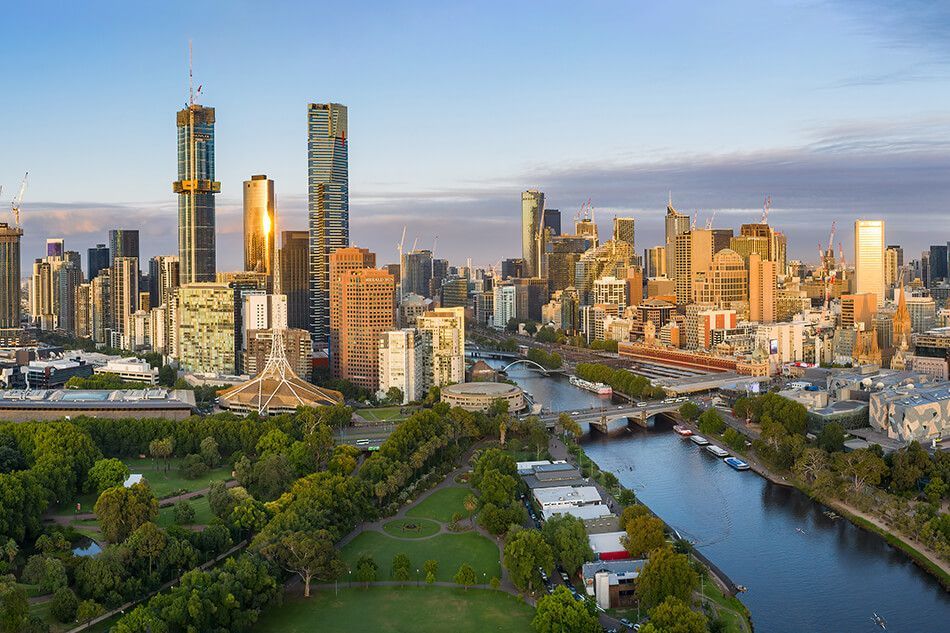
The Melbourne property market is currently navigating a quieter chapter — subdued sentiment, sluggish growth, and a reputation for underperformance compared to its northern neighbours like Brisbane and Perth. For many, it's a sign to look elsewhere.


There’s no denying that Melbourne has underperformed over the last 18–24 months. According to CoreLogic and Domain data, price growth has been muted across many suburbs, with inner-city apartments and even some once high-performing areas experiencing stagnation or softening. Factors like rising interest rates, high levels of new supply, and population shifts during COVID all contributed to a weaker performance relative to other capital cities.


On top of that, negative headlines around rental reform, land tax hikes, and increasing investor disincentives in Victoria have done little to restore confidence. The result? A cautious, even pessimistic, market mood.

But here’s the paradox — while confidence is low, the fundamentals are quietly improving.


The Property Cycle: Understanding the Downturn Phase

To make sense of where we are now, it helps to zoom out and understand the property cycle — a recurring pattern made up of four key phases: boom, decline, stagnation, and recovery. Melbourne is currently somewhere between the decline and stagnation stages. Property values have softened, demand has dipped, and seller activity remains cautious. This is what the bottom of a cycle often looks like.


Yet history shows that the downturn phase never lasts forever. In fact, it often sets the stage for the next upward phase. During these periods, savvy investors re-enter the market, properties are transacted below peak value, and the seeds of future capital growth are quietly sown.


Melbourne has been through this cycle before — post-GFC, in the 2011–12 flatlining period, and again during the 2018 credit crunch. Each time, recovery followed. And each time, those who bought during the downturn reaped significant gains in the following upswing.

So, What’s Holding the Market Back?

Let’s unpack why sentiment is still down, even with the cycle poised to turn.


  • High Interest Rates: Ongoing cash rate uncertainty has made borrowing more expensive and shrunk borrowing capacities, particularly for first-home buyers and investors.
  • Tax Policy Pressure: Victoria’s recent land tax reforms and foreign buyer surcharges have dampened investor interest. Many landlords have begun exiting the market or redirecting their capital to other states.
  • Oversupply (in pockets): Certain areas, especially in the CBD and inner suburbs, still struggle with oversupply, particularly of high-density apartments.
  • Market fatigue: After years of COVID volatility, many are sitting back to observe rather than engage. Some are hoping for further price drops, while others are simply exhausted by years of economic uncertainty.


Why Melbourne Is Still a Smart Investment

Despite the headwinds, the Melbourne property market remains a sleeping giant. Here’s why:


1. Population Growth Is Back

After pandemic-related losses, Melbourne is regaining its title as Australia's fastest-growing capital. According to the ABS, Victoria is on track to grow by over 125,000 people annually through international migration and natural increase. Most of these newcomers will settle in Greater Melbourne, increasing demand for housing — especially in family-friendly middle-ring and growth corridor suburbs.


2. Tightening Rental Market

Despite investor pullback, rental demand has surged. Vacancy rates are at near-record lows in many suburbs, and weekly rents have climbed sharply. This creates strong yield opportunities for those willing to invest in well-located properties that appeal to long-term tenants.


3. Infrastructure Investment

Melbourne continues to pour billions into public infrastructure — from the Metro Tunnel and Suburban Rail Loop to major road and hospital upgrades. These projects will support job growth, improve connectivity, and drive long-term demand in surrounding suburbs.


4. More Negotiation Power for Buyers

With fewer active buyers in the market, now is a great time to secure a better deal. Vendors are more willing to negotiate, and many are more realistic about price expectations than during the peak of the boom.


5. The Upswing Will Come

When rates stabilise or fall, and migration continues to surge, buyer confidence will return. Melbourne’s reputation as a liveable, culturally rich, and economically diverse city ensures that demand is only temporarily suppressed — not permanently lost.

Final Thoughts: Don’t Let Sentiment Be Your Strategy

The biggest mistake many buyers make is waiting until they "feel good" about the market again — but by the time confidence returns, prices have often already moved. Smart investors look beyond sentiment and focus on timing, fundamentals, and strategy.


Melbourne may not be booming today, but that’s exactly what makes it attractive. You're buying in a softer market with better value and greater choice, ahead of the next wave of growth. This isn’t about short-term speculation — it’s about positioning yourself ahead of the curve.


In every cycle, there's a quiet period where the noise fades and opportunities become visible — if you're looking closely. Melbourne is in that moment now. For those willing to take a long-term view, this could be one of the best times in years to enter the market.


In the next Blog we will discuss some suburbs that have been on the headlines.

share to

By Pina Brandi December 1, 2025
Melrose Park’s transformation from an industrial precinct into a residential and mixed-use community has been a strategically significant shift for Sydney’s urban future. Historically, the area was home to pharmaceutical and light-industrial operations, but over time these industries declined, consolidated elsewhere, or simply outgrew the outdated warehouses and fragmented road layout. Keeping the land zoned industrial would have meant under-utilising a large, strategically located pocket of Sydney at a time when housing demand is at critical levels. Redeveloping Melrose Park allows Sydney to introduce thousands of new homes in an inner-suburban area without pushing growth further to the city’s outskirts. With capacity for around 10,000–11,000 dwellings, plus retail, open space, a new high school and community facilities, the precinct is envisioned as a self-contained, modern neighbourhood with liveability at its core. Instead of being an isolated residential pocket, Melrose Park is being planned as a walkable, amenity-rich town centre where green spaces, urban parks, and mixed-use buildings form a cohesive and sustainable environment. Its location is one of its strongest advantages. Positioned on the Parramatta River, the suburb sits almost exactly halfway between Sydney CBD and Parramatta CBD, making it highly attractive for commuters who want balance, convenience and lifestyle. It is minutes from major employment hubs, established transport corridors like Victoria Road, and future connections that will further integrate the precinct into Sydney’s broader network. The land parcel is also unusually large and contiguous for an inner-suburban area, enabling a full masterplan rather than piecemeal development.  Overall, the shift from industrial to residential in Melrose Park wasn’t just a rezoning exercise; it was a strategic realignment of land use to meet Sydney’s changing economic, demographic, and lifestyle needs. Its prime location ensures the precinct will continue to attract demand, support growth, and deliver long-term value for residents and investors alike.
By Pina Brandi November 29, 2025
APRA has been explicit that the DTI cap is a financial‑stability tool, but it is deliberately designed not to choke off finance for new housing supply
By Pina Brandi November 25, 2025
If you’re searching for a property market that balances affordability, stability, and genuine long-term potential, Colac should be firmly on your radar. This regional hub positioned between Geelong, the Great Ocean Road, and the Western District s one of Victoria’s most economically diverse and quietly resilient cities. While many regional centres rely heavily on one dominant industry, Colac spreads its strength across manufacturing, agriculture, health care, tourism, and education. That diversity alone creates a foundation for steady employment, population growth, and a solid housing market three ingredients every smart investor looks for. With a median house price around $470,000 , a 0.5% vacancy rate , and a 49% increase in values over the last five years , Colac offers an impressive combination of affordability and upward momentum. Let’s break down why this unassuming regional city is becoming such a compelling place to invest or buy your first home. 
Show More