Best Rental Returns in Australia is a dream of every investor. Residential property investors may find it difficult to find sustainable profits due to sharply rising prices and record low yields in half of our main cities, but there is hope.
However, while yields are healthy, analysts stress we should carefully weigh them against the likelihood of future capital growth.
Investors profit from properties that have a strong cash flow because they can provide an additional source of income (pre-tax). Besides covering the costs of owning and maintaining these properties, the additional rent paid allows you to earn additional revenue.
With a countrywide vacancy rate of only 1.7% and prices rising at their quickest rate in decades.
Importance of Best Rental Returns in Australia
We should examine vacancy rates and rental yield trends to determine which areas are stable.
It’s not enough to simply rely on rental yield estimates in today’s market. Due to the increasing sales market, which means a rising median sales price, and the rising median rental price.
The median rental price growth in the area has gone up dramatically. Rental yield is the percentage computation between these two indicators. If median sales price increase outpaces median rental price growth, your rental yield will decline.
The current super-boom has cut rental returns. This is because asset prices have risen so sharply when expressed in percentage terms rather than in annual dollar values.
Not of how much disposable income an individual property investor has, all investors must respect their cash flow. Life and the real estate market are constantly changing.
Rental Returns
Rent yield patterns over the last few years might help investors see if the trend is showing an increase or decrease in rental yield. In this manner, you may be sure that your rental income will not only be strong now but also steady.
Vacancy rates and rental yield trends are two other indicators that you should monitor.
Even with rising rents, rental yields are today lower than they were two years ago.
According to Corelogic data, South Hedland was the most expensive suburb in October 2021 for gross rental yields. There are little over 9,000 people living in South Hedland, a town off the coast of Western Australia with an estimated annual gross yield of 14.6%.

South Hedland has a median property price of $178,250 and a typical advertised rent of $500 per week, according to the data.
Rental returns of over 13% p.a. were found in the top three suburbs in Western Australia.
Read our latest blog, How to identity an emerging suburb property in Australia?
Queensland accounted for 43 of the 100 suburbs. Another 30 suburbs in Western Australia, 11 in New South Wales, seven in South Australia and five each for Northern Territory, Tasmania and Victoria were also found.
Tom Price, a town in Western Australia, had the second-highest gross rental yield suburb, with an estimated 14.1% p.a. yield.
Rental yield data can be useful in determining where to invest, but they aren’t the sole consideration.
Best Rental Returns in Australia: Castle Hill
Many inhabitants in Sydney’s northwest consider the area of Castle Hill to be a desirable place to call home. It is one of the top suburbs to invest in Sydney. Castle Hill has long been Townsville’s most exclusive suburb thanks to its spectacular views, luxurious properties, and multimillion-dollar real estate sales.
The median price of a property in this neighbourhood is $1.2 million, with the most expensive executive style residences fetching between $3 million and $4 million. Large blocks, calm streets, and closeness to a major shopping centre, bulky goods precinct, and Norwest Business Park are the key drawcards. In addition, two new train stations are now being built in the area.
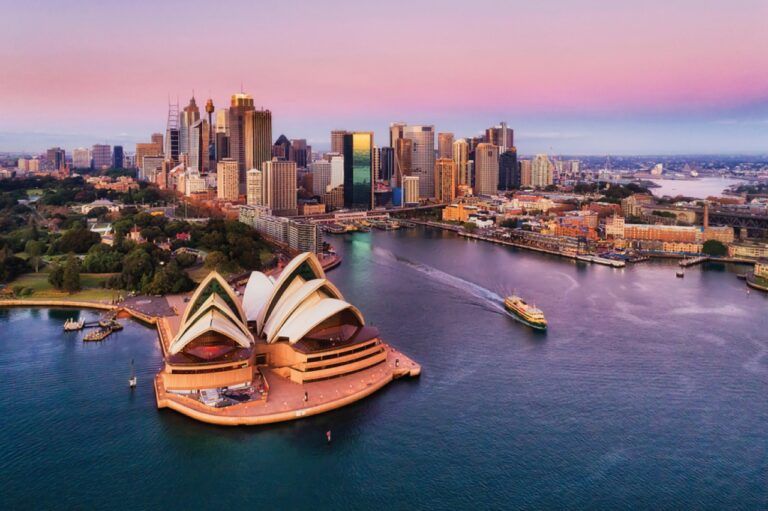
Let’s explore the highest rental return suburbs in Sydney.
This top suburb to invest in Sydney, Castle Hill, is undergoing a significant change at the moment. Young families and professionals are flocking to the area. As they are lured by the promise of a slower pace of life barely 30 kilometres from the city centre. The clear view of the suburbs complemented the tranquilly of the neighbouring green meadows in the distance.
Bidjigal Reserve is a popular walking area near Castle Hill. It was named in honour of the ancestors of the tribes who lived here before the European settlers arrived.
Bidjigal man Pemulwuy, one of Sydney’s most prominent historical figures, spearheaded the resistance when the first European settlers arrived in 1791.
Castle Hill: Other Aspects
Castle Hill, a government farm created in 1801 by Governor King, was a key source of food for the city for over two decades in the nineteenth century.
Throughout the year, the Orange Blossom Festival pays tribute to the town’s history as an orange-growing village by highlighting local products and bringing people together.
Last month, Castle Hill offered 146 units for rent and 185 listings for sale. Properties cost an average of $2,107,500, while units cost an average of $1,000,000 in the past year. If you are looking for an investment property, consider residences in Castle Hill rented out for $740 PW with an annual rental yield of 2.0% and units rented for $560 PW with a rental yield of 3.1%.
Castle Hill’s house prices have risen by 22.2% over the last five years, while its apartment prices have risen by 6.4%.
(Source:https://www.realestate.com.au/nsw/castle-hill-2154/)
If you want, enjoy a good rental yield and invest in Best Rental Returns in Australia. PB Property can assist you in building a strong property portfolio.
To invest in the highest rental return suburbs in Sydney, Book an appointment today!
share to