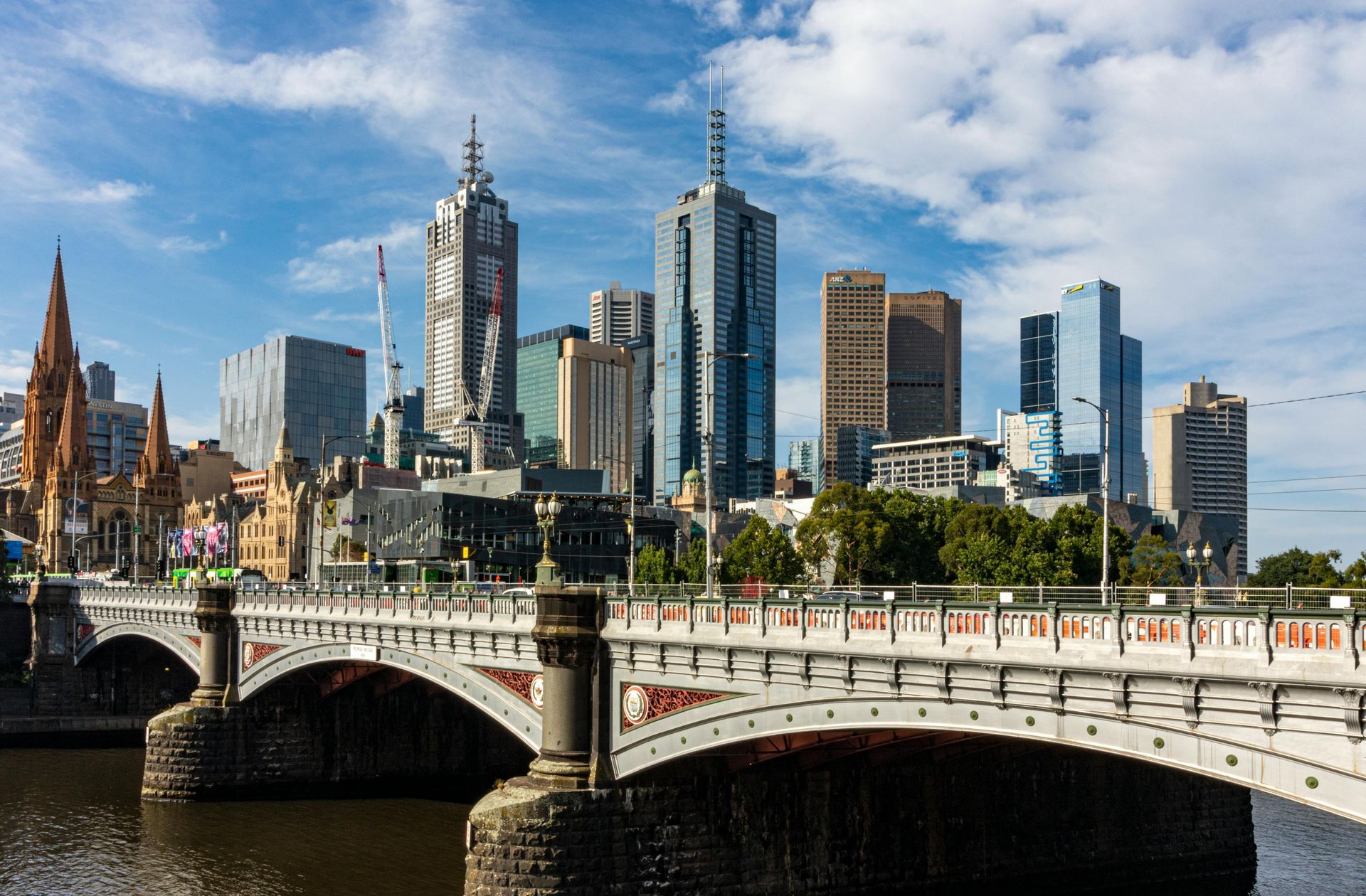
Why Neighbourhoods Matter in Property Investment
Pina Brandi • September 11, 2024

When it comes to property investment, most people talk about the amazing returns and potential for growth – but what about the stuff no one mentions? Your neighbourhood plays a massive role in whether your investment will succeed or flop. And it's not just about status or looking good. The right location can determine how your property performs, especially when considering things like lifestyle, amenities, and future growth potential.


Remember how the COVID-19 lockdowns changed the way we live and work? Many of us started working from home, and that trend hasn’t really disappeared. Suddenly, the neighbourhood we live in became way more important. If you can walk to a great cafe, park, or shopping strip, your time at home is way more enjoyable. This shift in how we live our lives is why, as a property investor, you need to focus on picking the right neighbourhood – it's key to capital growth.

The Power of Location: 80% of Property Performance

Here’s a stat that might blow your mind: 80% of a property's performance comes down to its location. You can renovate or flip properties all you want, but you can’t change where they are. That’s why investing in the right suburb, where capital growth potential is high, is absolutely critical.


The best areas? They’re the ones people want to live in – not because they’re affordable, but because they offer lifestyle perks like parks, shops, cafes, gyms, beaches, and schools.


These are the "liveable" suburbs where property prices grow faster. And in today’s world, where hybrid work setups are sticking around, being close to everything has become a must.


What Makes a Good Neighbourhood?

So, what should you look for in a neighbourhood? Here are the key factors that drive up property prices:


  1. Public Transport: If your property is close to reliable public transport (think trains, trams, buses), it’s already a winner. Buyers and renters love this convenience.
  2. Good Schools: Families are willing to pay more to live in top school zones, which is why homes in these areas continue to grow in value.
  3. Amenities: Having parks, cafes, restaurants, and shops nearby makes a neighbourhood more desirable. People want to live in areas where everything is easily accessible.
  4. Low Crime Rate: Safety matters. Properties in low-crime areas always perform better.
  5. Well-Maintained Streets: Neighbourhoods that are clean, well-kept, and cared for show pride in the community and add value to local properties.
  6. Economic Stability: Areas with growing industries and strong employment opportunities attract buyers and investors, pushing prices up.
  7. Historic Charm: Neighbourhoods with character and history tend to attract higher demand and, as a result, higher property prices.


The Future of Property Markets: Fragmentation Ahead

The property market is changing. With rising interest rates and inflation, many Australians will feel the squeeze on their household budgets, which will impact lower-end property markets.


First-home buyers, especially those who stretched their borrowing capacity, may struggle as mortgage costs increase. In these areas, capital growth will likely slow down.


On the other hand, wealthier areas, where residents have higher disposable incomes, are less likely to feel this pressure. These inner and middle-ring suburbs of major cities, where gentrification is happening, are still strong investment opportunities.


Why You Need Experts on Your Side

Navigating the property market can be tricky, especially when neighbourhoods play such a huge role in your investment’s success. At PB Property Buyers Agency, we’re here to guide you through the process, helping you find the right location that aligns with your goals and maximises capital growth.


Don’t leave your property investment to chance – work with experts who know the market inside out. Reach out to us today and let’s find your perfect investment property together.

share to

By Pina Brandi December 10, 2025
Around 2017–2018, growth stalls and dips modestly after APRA’s investor growth cap (2014) and interest‑only cap (2017), which is the effect you’re asking about.
By Pina Brandi December 1, 2025
Melrose Park’s transformation from an industrial precinct into a residential and mixed-use community has been a strategically significant shift for Sydney’s urban future. Historically, the area was home to pharmaceutical and light-industrial operations, but over time these industries declined, consolidated elsewhere, or simply outgrew the outdated warehouses and fragmented road layout. Keeping the land zoned industrial would have meant under-utilising a large, strategically located pocket of Sydney at a time when housing demand is at critical levels. Redeveloping Melrose Park allows Sydney to introduce thousands of new homes in an inner-suburban area without pushing growth further to the city’s outskirts. With capacity for around 10,000–11,000 dwellings, plus retail, open space, a new high school and community facilities, the precinct is envisioned as a self-contained, modern neighbourhood with liveability at its core. Instead of being an isolated residential pocket, Melrose Park is being planned as a walkable, amenity-rich town centre where green spaces, urban parks, and mixed-use buildings form a cohesive and sustainable environment. Its location is one of its strongest advantages. Positioned on the Parramatta River, the suburb sits almost exactly halfway between Sydney CBD and Parramatta CBD, making it highly attractive for commuters who want balance, convenience and lifestyle. It is minutes from major employment hubs, established transport corridors like Victoria Road, and future connections that will further integrate the precinct into Sydney’s broader network. The land parcel is also unusually large and contiguous for an inner-suburban area, enabling a full masterplan rather than piecemeal development.  Overall, the shift from industrial to residential in Melrose Park wasn’t just a rezoning exercise; it was a strategic realignment of land use to meet Sydney’s changing economic, demographic, and lifestyle needs. Its prime location ensures the precinct will continue to attract demand, support growth, and deliver long-term value for residents and investors alike.
By Pina Brandi November 29, 2025
APRA has been explicit that the DTI cap is a financial‑stability tool, but it is deliberately designed not to choke off finance for new housing supply
Show More