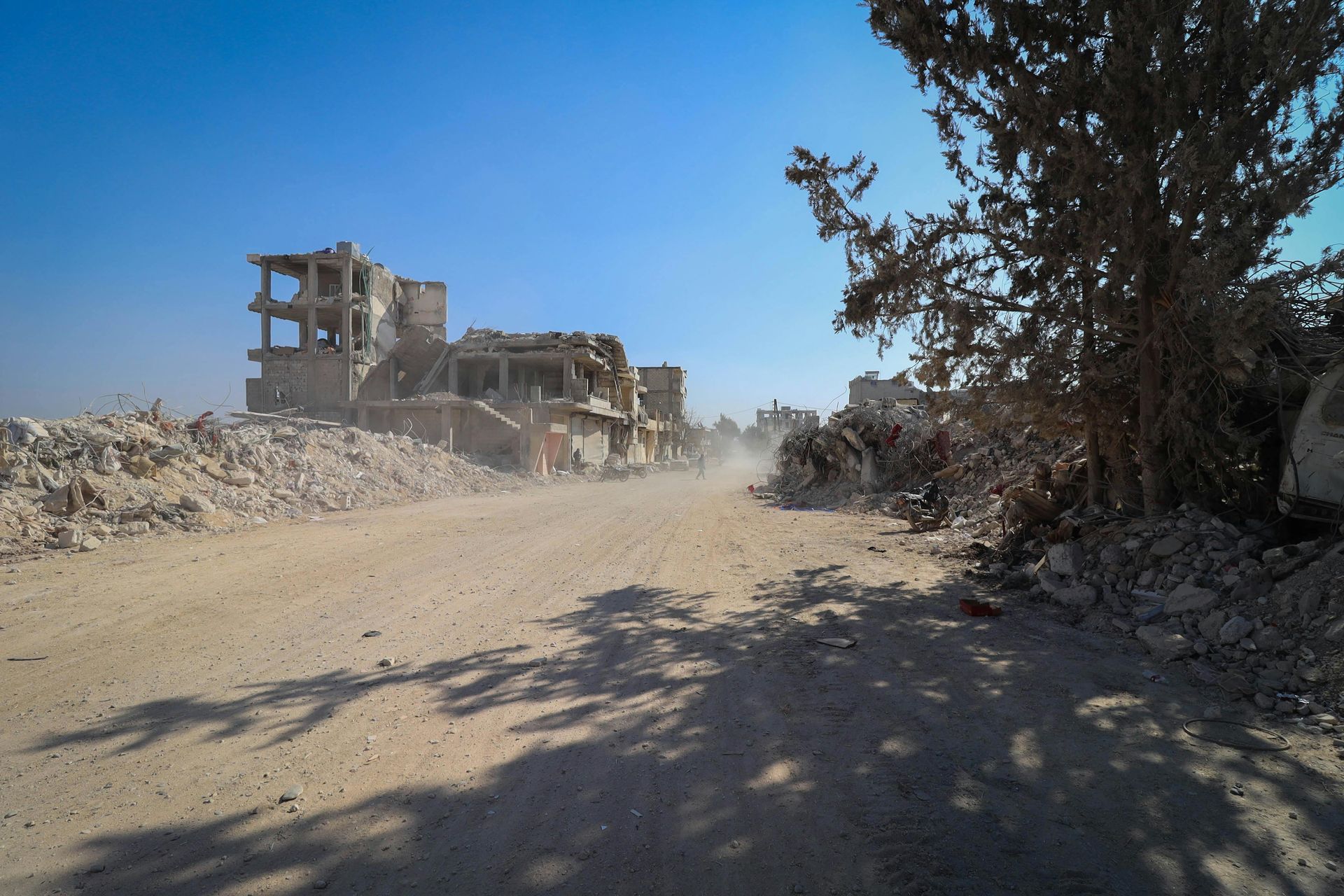
Global conflict has a way of feeling distant—until it doesn’t. As tensions escalate in Iran, the ripple effects are already being felt across global markets. For Australians, one of the most immediate questions is: what does this mean for property?
At first glance, the connection might seem indirect. But in reality, geopolitical instability often drives volatility in oil prices, currency markets, and investor confidence. When oil prices rise, inflationary pressure follows. Australia, as a net importer of refined fuel, feels this quickly—through transport costs, construction materials, and everyday living expenses.
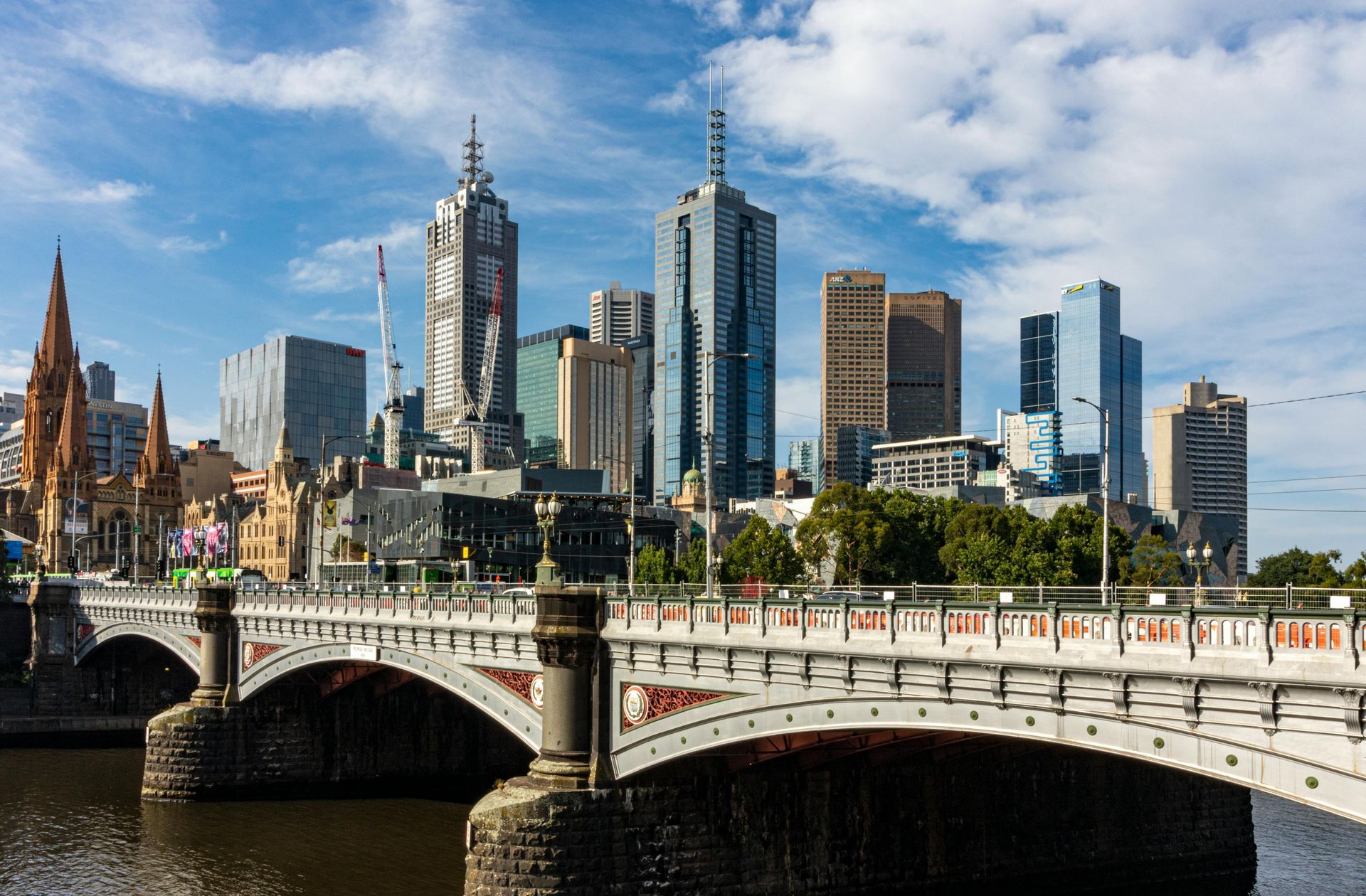
For the property market, inflation is a critical trigger. Higher inflation can delay or even reverse interest rate cuts, keeping borrowing costs elevated. This creates hesitation among buyers, particularly first-home buyers already navigating affordability constraints.
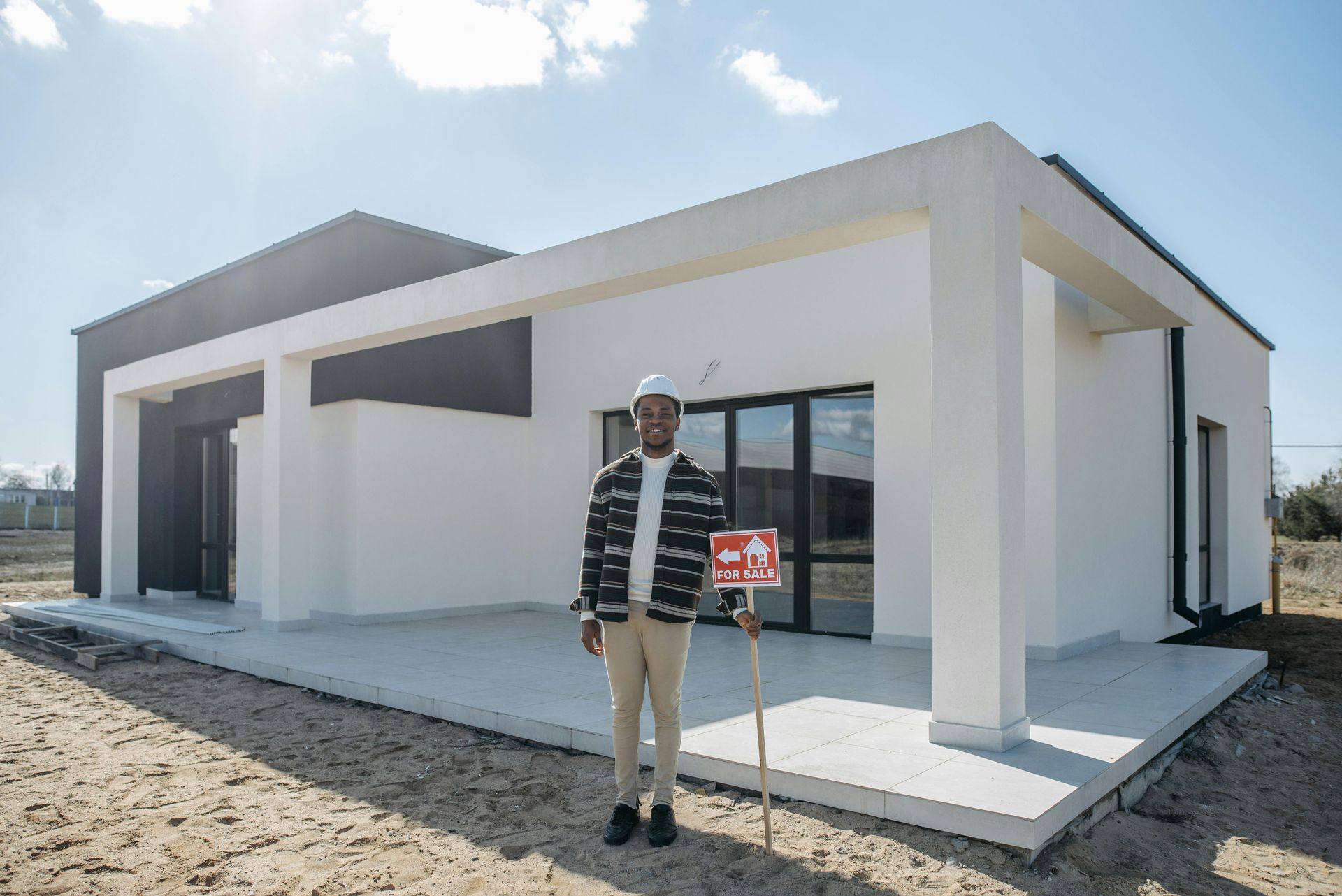
However, uncertainty doesn’t only create fear—it also shifts behaviour. Historically, property in Australia has been viewed as a “safe haven” asset. During global instability, investors often pivot away from volatile equities and into tangible assets like real estate. This can create pockets of resilience, even as broader sentiment weakens.