Ten years ago, many traditional property investors and old-school buyer’s agents dismissed Sydney’s greenfield corridors as “too far”, “too risky”, or “oversupplied”.
Suburbs like Box Hill, Leppington and Austral were often criticised for being little more than paddocks surrounded by construction sites. Critics argued that these estates lacked infrastructure, had too much future land supply, and would never outperform established blue-chip suburbs.
Yet over the last decade, many investors who bought into these emerging master-planned communities have seen remarkable capital growth while also benefiting from modern housing, strong rental demand, and family-oriented environments.
Today, many of these once-dismissed locations are thriving suburban hubs filled with schools, shopping centres, parks, transport upgrades and growing communities.
The reality is that Sydney’s expansion was inevitable. Population growth, affordability pressures and infrastructure investment pushed buyers further west and north-west, and investors who recognised that trend early positioned themselves ahead of the market.
Suburbs like Box Hill have transformed dramatically. What was once semi-rural land has evolved into one of Sydney’s fastest-growing family corridors, supported by the North West Growth Area expansion. Median house prices in Box Hill now sit above the million-dollar mark after significant growth over the past decade.
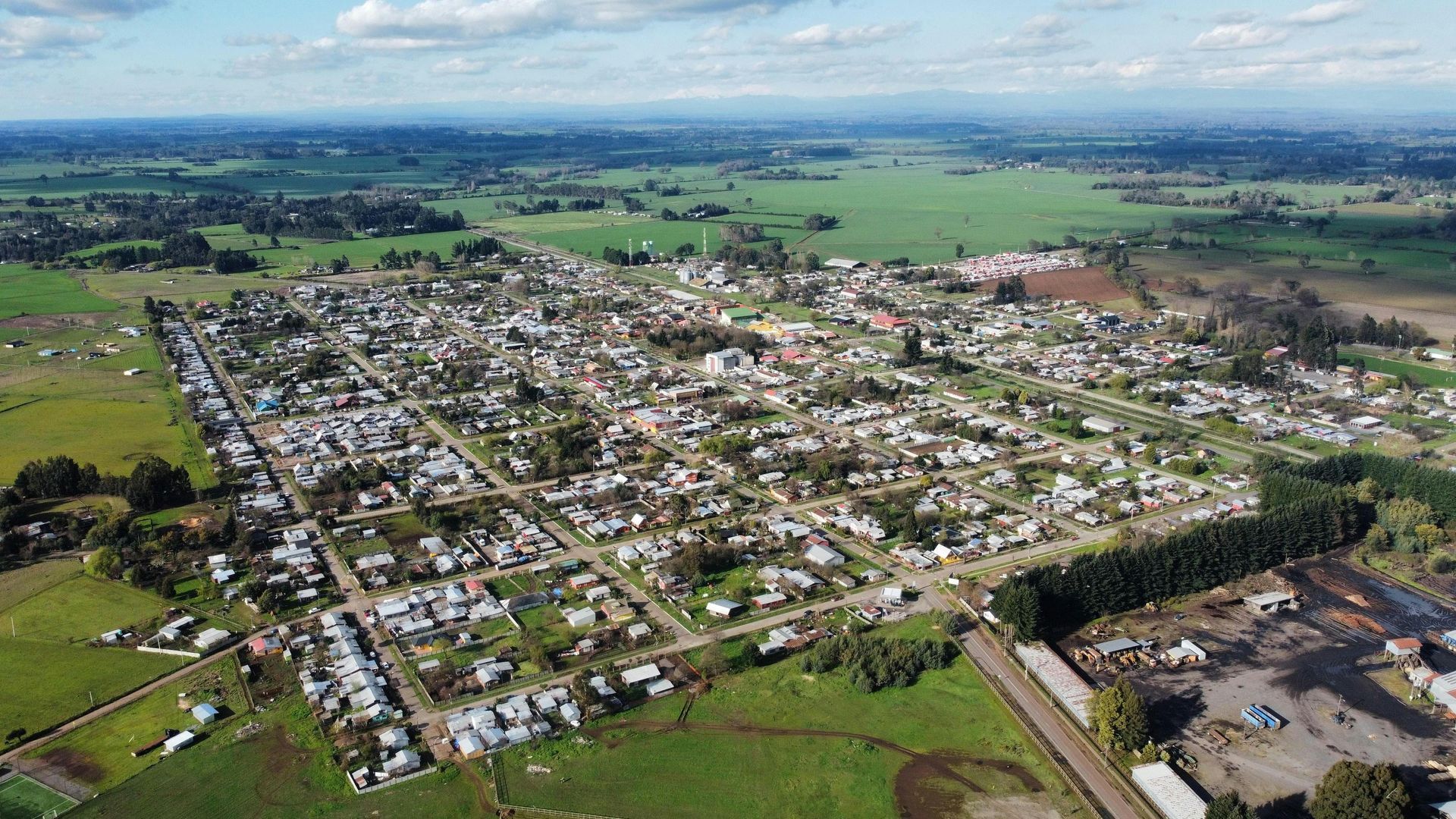
Leppington tells a similar story. Once overlooked because of its distance from the CBD, the suburb benefited heavily from infrastructure investment, including rail expansion, road upgrades and large-scale housing development. Over time, families were drawn toward larger homes, modern streetscapes and affordability compared with inner Sydney. Today, Leppington has become one of south-west Sydney’s major growth corridors with strong long-term demand.
Austral also evolved from farmland into a growing residential community. Investors who purchased house-and-land packages years ago often faced criticism from those who believed “real growth” only existed in established inner-ring suburbs. Yet rising land values and increasing demand for detached housing helped push prices significantly higher over the decade.
What many traditional buyer’s agents failed to understand was the emotional appeal of these new communities to modern Australian families.
For many buyers, the dream was never a small apartment close to the CBD. The dream was a modern four-bedroom house with a backyard, double garage, nearby schools and parks, all within a safe and family-friendly community.
Master-planned communities delivered exactly that.
Developers invested heavily in creating lifestyle-focused estates with playgrounds, walking tracks, sporting fields and shopping precincts. Families were no longer simply buying a home; they were buying into a lifestyle.
This became particularly attractive for younger families priced out of Sydney’s established middle-ring suburbs.
Instead of purchasing an older home requiring major renovations, buyers could secure a brand-new property with:
- Modern floorplans
- Energy-efficient construction
- Lower maintenance costs
- Smart-home features
- Community facilities
- Streets designed around families

These areas also benefited from the psychological appeal of “newness”. Everything from roads to schools to shopping centres felt fresh and modern compared with many older suburbs.
Importantly, investors who bought early often benefited from land appreciation over time as estates matured and available land became scarcer.
Many old-school buyer’s agents remained sceptical because they focused heavily on scarcity within established suburbs. While scarcity absolutely matters, they underestimated how population growth and affordability pressures would reshape buyer behaviour across Sydney.
The rise of remote and hybrid work also changed the equation.
As commuting patterns evolved, many families became more willing to live further from the CBD if it meant securing a larger home and better lifestyle.
That shift accelerated demand across Sydney’s greenfield corridors.
Of course, investing in greenfield suburbs was never without risk.
Some estates experienced periods of oversupply. Certain pockets lacked infrastructure initially. Construction delays and developer quality issues also created challenges in some projects.
Critics were not entirely wrong.
However, investors who selected quality estates in strong growth corridors generally benefited from long-term population growth and infrastructure spending.
The biggest lesson from the past decade is that markets evolve.
What was once considered “too far” can eventually become highly desirable once roads, schools, retail centres and transport catch up.
Sydney itself is proof of this historical pattern. Many suburbs that are now considered premium locations were once outer-fringe developments decades ago.
Greenfield investing requires patience and vision. Early buyers often need to tolerate construction zones, incomplete amenities and years of gradual transformation.
But those who understand urban expansion cycles recognise that today’s outer corridor can become tomorrow’s established family suburb.
The success of areas like Box Hill, Leppington and Austral demonstrates that investing in brand-new communities should not automatically be dismissed simply because they sit outside traditional investment thinking.
In many cases, the investors who ignored conventional wisdom and focused on long-term demographic trends ended up building substantial equity.
The future of Sydney property may continue rewarding investors who understand where families actually want to live — and increasingly, that includes well-designed master-planned communities offering lifestyle, affordability and modern living.
So if you are interested in investing but don't know where to start, or not sure how to choose a builder or a good location, at PB Property we have been helping investors for over 8 years minimize their risk and choose great investments. Get in touch now!
share to