If you’re searching for a property market that balances affordability, stability, and genuine long-term potential, Colac should be firmly on your radar. This regional hub positioned between Geelong, the Great Ocean Road, and the Western District s one of Victoria’s most economically diverse and quietly resilient cities. While many regional centres rely heavily on one dominant industry, Colac spreads its strength across manufacturing, agriculture, health care, tourism, and education. That diversity alone creates a foundation for steady employment, population growth, and a solid housing market three ingredients every smart investor looks for.
With a median house price around $470,000, a 0.5% vacancy rate, and a 49% increase in values over the last five years, Colac offers an impressive combination of affordability and upward momentum. Let’s break down why this unassuming regional city is becoming such a compelling place to invest or buy your first home.
A Deep and Stable Economic Backbone
Manufacturing: The Powerhouse of Colac
Manufacturing is the backbone of Colac’s economy, making up 30.6% of its economic output and employing 14.2% of locals. Unlike many regional towns where industry is shrinking, Colac is a critical node in national supply chains—particularly in food processing and timber. These are essential, recession-resistant sectors, meaning employment stays relatively stable even during broader economic downturns.
For investors, this translates to a tenant base with reliable jobs and predictable demand for housing.
Health Care and Social Assistance: A Consistent Growth Engine
The health and social assistance sector accounts for 13.3% of local employment, and it’s growing as the population increases and ages. Hospitals, clinics, and community care facilities don’t relocate—they expand. This ensures Colac continues generating stable employment, which boosts demand for rentals and first-home buyer stock alike.
Agriculture, Forestry, and Fishing: The Region’s Heritage Industries
Colac’s surrounding farmland is historically significant and economically vital, employing 11.4% of the workforce. These industries underpin both exports and local food production, contributing to steady job creation and sustained housing demand. In contrast to towns reliant on tourism or mining alone, Colac benefits from industries that feed both Victoria and global markets.
Tourism: Natural Beauty That Attracts and Retains
With Lake Colac, the Great Otway National Park, nearby waterfalls, and the wider Surf Coast and Great Ocean Road corridor, tourism adds another dimension of economic diversity. This lifestyle appeal also attracts tree-changers, young families, and remote workers seeking affordable living without sacrificing natural surroundings.
Connectivity That Futureproofs Demand
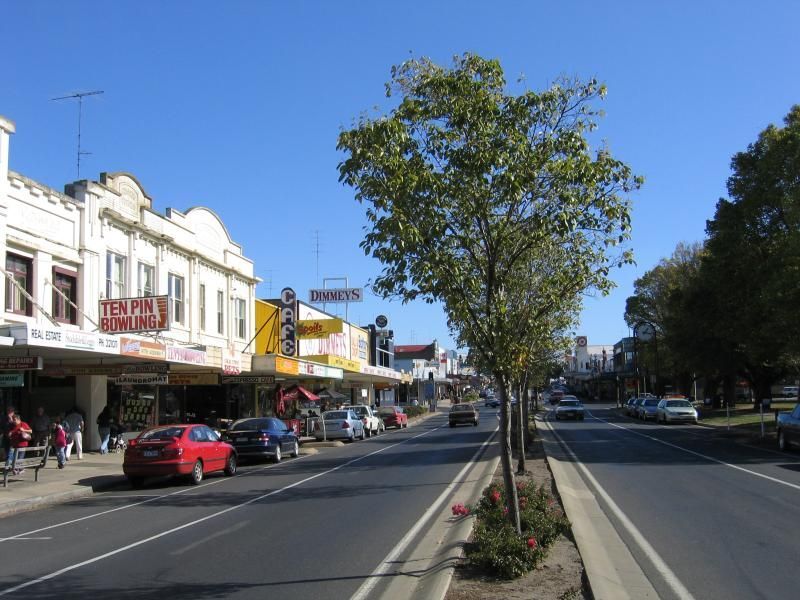
Strategically positioned between Melbourne and Western Victoria, Colac enjoys excellent transport links: railway services, the Princes Highway, and easy access to Geelong’s employment market. For renters and owner-occupiers alike, this means regional lifestyle with realistic commuting options—something increasingly important as hybrid work becomes the norm.
Infrastructure is also a priority for the Colac Otway Shire, with ongoing upgrades across transport, education, and health. These investments set the stage for growth well beyond 2025.
A Rental Market That Works for Investors
A headline vacancy rate of 0.5% places Colac among the tightest rental markets in regional Victoria. This means:
- consistent rental demand
- minimal downtime between tenants
- pricing power in line with local affordability
- increased competition for well-presented properties
Median rent sits around $430 per week, offering yields of approximately 4.9%—solid for a regional growth market with low risk and strong employment diversity.
Days on market currently average 49 days, which is quicker than many surrounding regional locations and signals a healthy balance between supply and demand.
Affordable Entry Prices With Room to Grow
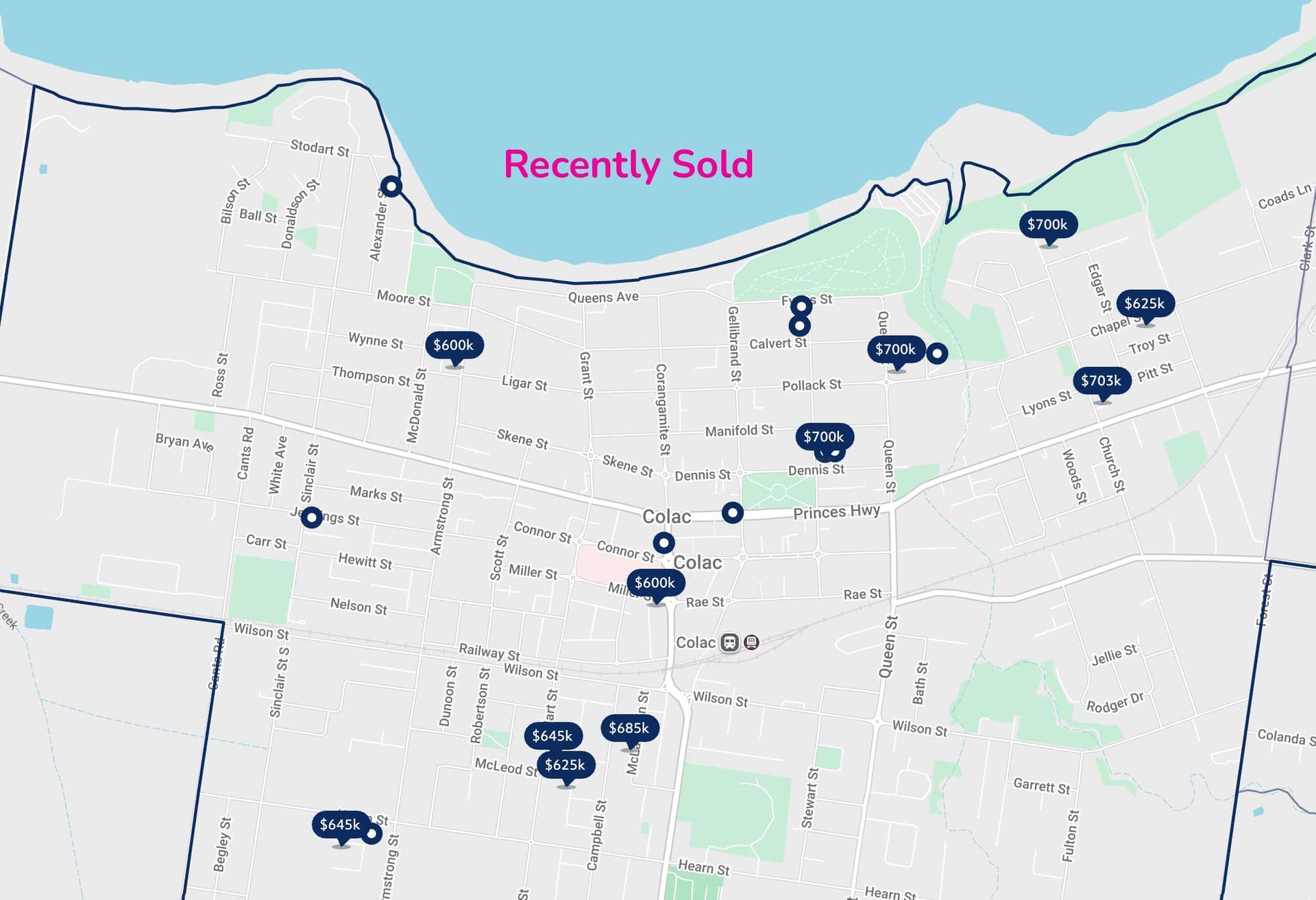
With housing affordability becoming a national concern, Colac’s median house price—around $470,000–$473,000—makes it a rare opportunity. Investors and first-home buyers can enter the market without stretching their borrowing capacity or taking excessive risk.
And with a 49% increase in house prices over the past five years, the market clearly demonstrates upward resilience.
Land is also in high demand and tightly held. Properties don’t sit around long, and development-ready sites are becoming harder to secure. For investors, this creates an “early mover” advantage—those who buy now are entering before supply becomes further constrained.
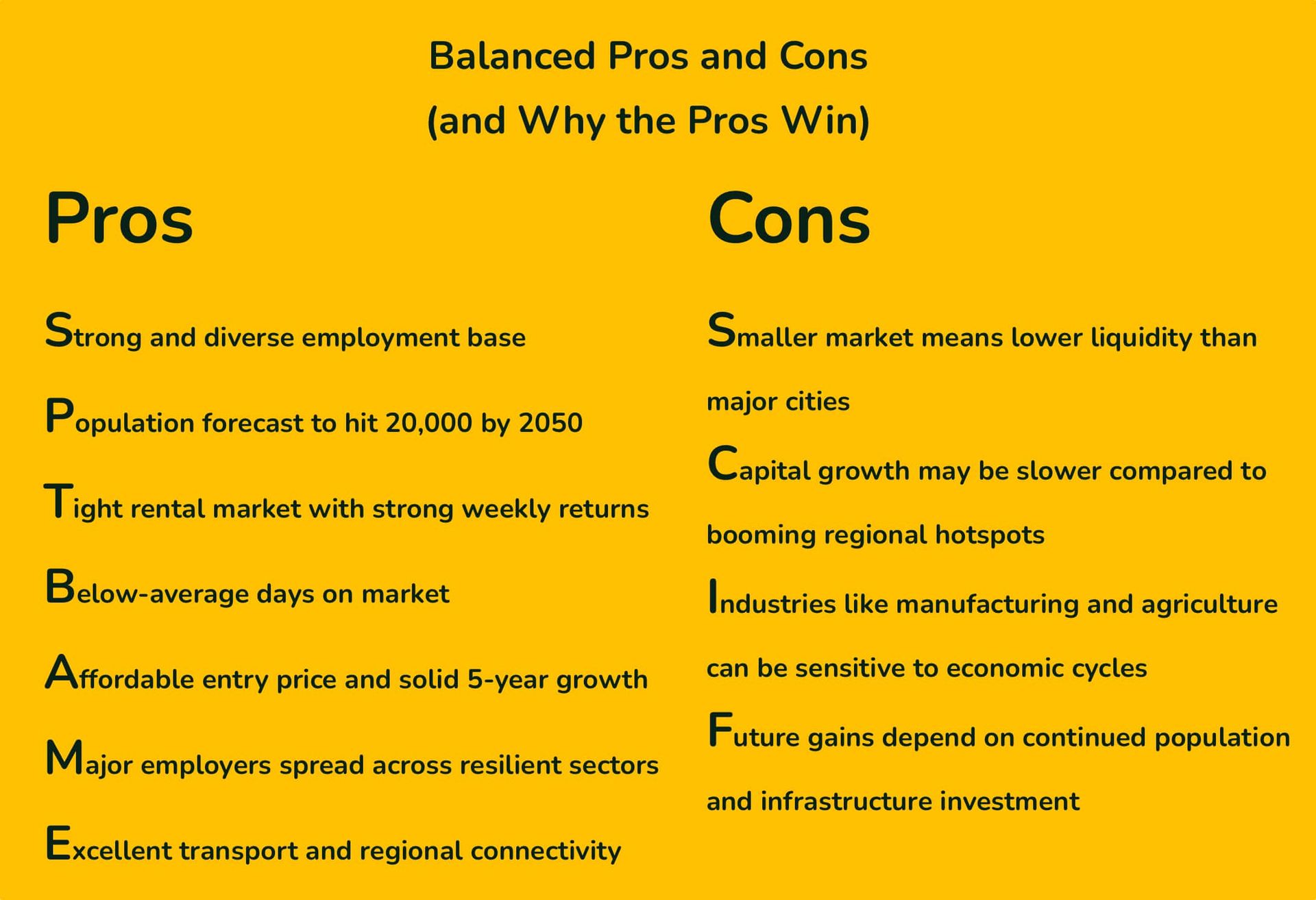
Ultimately, Colac is not a speculative boom town—it’s a steady, balanced, and fundamentally sound market. For investors seeking predictable returns, rental reliability, and long-term security, that’s exactly the point.
Why Colac Is Such Outstanding Value Right Now
While many regional centres have already experienced rapid price surges, Colac still sits in an affordable bracket with strong underlying fundamentals. Investors are often surprised by how diverse and stable Colac’s economy truly is—and stability is often the greatest hidden driver of long-term capital growth.
With limited land supply, strong local industries, growing infrastructure, and population projections steadily rising, Colac is well-positioned for continued, sustainable growth—not just a short-lived boom.
For those starting their investment journey, looking for a resilient regional market, or seeking an affordable owner-occupied opportunity with long-term upside, Colac delivers some of the best value in Victoria right now.
Whether you're planning your first purchase or expanding your portfolio, Colac offers the rare combination of lifestyle, economic strength, and affordability that smart investors look for—and it’s still early enough to get in ahead of the curve.
INVEST NOW
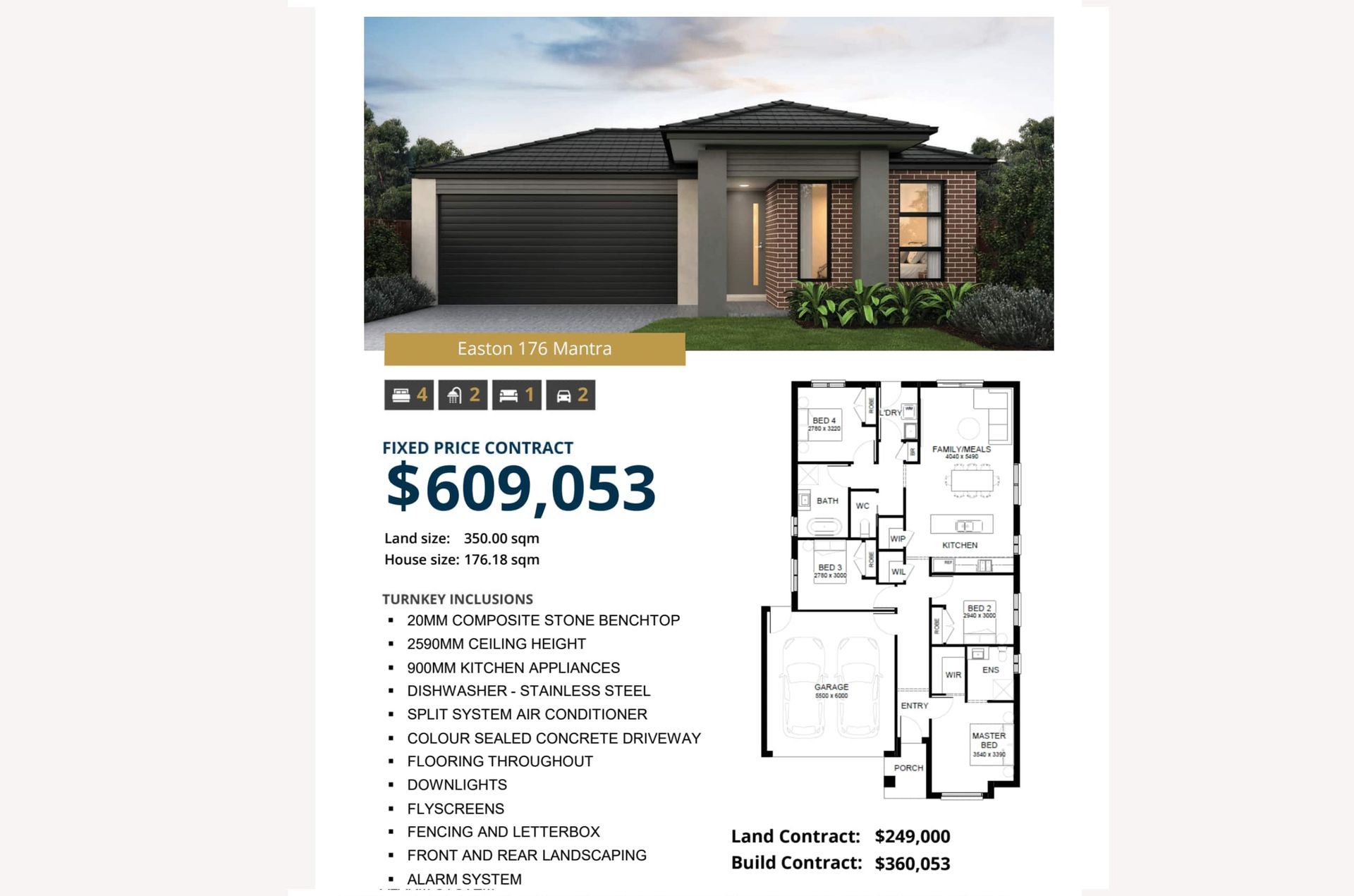
How about buying a brand new home at current market price? Get in touch! Not many lots left!
share to