What Are Greenfield Developments — And How Do They Become Future Suburbs?
Pina Brandi • January 29, 2026

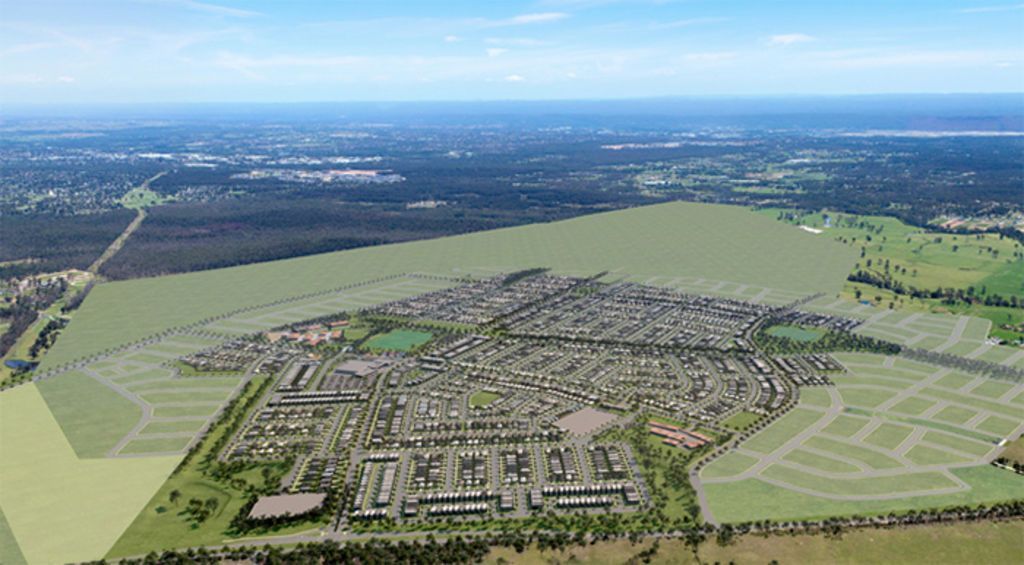
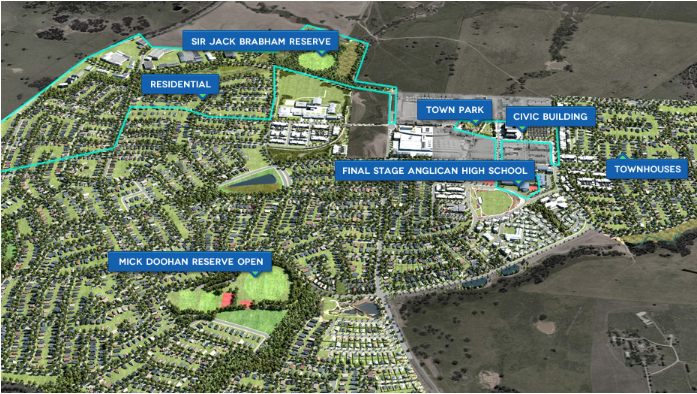
If you have ever driven past a large open paddock on the outskirts of a city and then returned a few years later to see roads, houses, schools and parks where farmland once existed, you have witnessed the transformation of a greenfield development.


A greenfield is essentially undeveloped land — usually former agricultural or rural land — that is earmarked for future residential growth. These locations are typically found on the fringes of major cities where population expansion is pushing outward. As Australia’s population grows and housing demand increases, cities naturally expand, and greenfield areas play a crucial role in accommodating that growth.


But greenfields do not just randomly turn into suburbs. There is a carefully planned process behind the scenes.


The Role of Master Planning

Before a single house is built, developers work with councils, state governments, urban planners and infrastructure authorities to create what is called a master plan.


A master plan is essentially a blueprint for an entire community. It considers:


  • Road networks and transport connections
  • Schools and childcare centres
  • Shopping precincts
  • Parks and recreational areas
  • Community facilities
  • Future employment zones
  • Public transport corridors
  • Environmental and drainage considerations


The goal is to create not just housing, but a liveable community.

This planning phase can take years before construction even begins. Developers often release land in stages so infrastructure can grow alongside the population. This staged approach is one of the key reasons greenfield areas gradually increase in value over time — each new stage typically reflects higher demand and higher costs than the previous one.


Why Cities Need Greenfield Development

Australia has one of the highest urbanisation rates in the world. Most people want to live near major cities for employment, education and lifestyle opportunities. However, established suburbs eventually run out of space.

Greenfield developments solve several problems:

  1. They provide housing supply for growing populations
  2. They allow younger families to enter the property market
  3. They create new economic zones and employment hubs
  4. They reduce pressure on inner-city density

Without greenfields, housing affordability would likely be even more challenging than it already is.

The Early Stage: Risk and Opportunity


In the early phase, greenfield locations often feel isolated. There may be limited shops, public transport and

schools initially. This is where some buyers hesitate. However, this early stage is also where opportunity exists.

Buyers who purchase early are effectively buying into the future vision of the area rather than its current state. As infrastructure arrives and population grows, desirability increases.


It is similar to investing in a start-up business before it becomes successful — you are entering before the majority of demand arrives.


The Family Appeal Begins Early


One important factor that is often overlooked is that greenfield developments are usually designed with families in mind from day one.


Wide streets, parks, playgrounds, walking tracks and modern homes are attractive to young couples planning their future. Schools and childcare centres are typically included in early stages because they are essential services for growing communities.


Over time, these communities develop identity, culture and convenience — the same qualities that older established suburbs now enjoy.


The Evolution Into Desirable Suburbs


Almost every established suburb today was once a greenfield development decades ago.


What changes over time?

  • Infrastructure improves
  • Population density increases
  • Retail and services expand
  • Social communities form
  • Transport links strengthen
  • Property values rise


The transformation is gradual but powerful.

Understanding this lifecycle is essential for buyers, especially first-home buyers and investors, because it provides context. What feels “far away” today may become highly connected tomorrow.


Setting Up the Next Step in the Journey


Now that we understand what greenfield developments are and how they are planned, the next logical question is:


Who actually buys in these areas first — and why?


Next we will explore the emotional and financial drivers behind families choosing house-and-land packages over apartments, how block sizes change over time, and why prices tend to rise as developments mature.


Because the story of greenfields is not just about land — it is about people, aspirations and the Australian dream of home ownership.

share to

By Pina Brandi February 19, 2026
Greenfield suburbs are not just land releases they are future communities in the making. For many Australians, they represent the first step into property ownership
By Pina Brandi February 12, 2026
One of the most common criticisms early on is distance from the CBD. However, as cities expand, what was once considered far often becomes normal commuting distance.
By Pina Brandi February 5, 2026
Across Australia, there are numerous suburbs that were once considered “far out” or “risky” but are now thriving communities with strong property values.
Show More