Why Everyone Wants to Live in Sydney’s Eastern Suburbs — and Where the Hidden Gems Still Are
Pina Brandi • November 11, 2025

When people talk about Sydney’s Eastern Suburbs, it’s easy to picture ocean views, café culture, and multi-million-dollar terraces.


From Bondi to Bronte, Coogee to Clovelly, these postcodes have long defined the dream coastal lifestyle  and the market knows it. Properties here are expensive because demand never truly dips. People don’t just want a home in the East, they want the identity that comes with it.


But as a buyer’s agent who works across the region, I can tell you: while prestige still rules in the inner east, some of the smartest buying opportunities now sit just a little further south.


Let’s face it Sydney’s east is magnetic. The combination of coastline, convenience and café culture is impossible to replicate. Buyers are drawn to the walk-to-the-beach lifestyle, excellent schools, and short CBD commute. It’s where executives, creatives and families all cross paths united by one thing: they’ve made it.


The suburbs each have their own character:

  • Bondi is buzzing and social great for those who thrive in movement.

  • Bronte and Clovelly lean quieter and family-focused, with intimate village feels.

  • Coogee strikes that middle ground between lively and laid-back.

  • Randwick and Kensington attract professionals who want proximity to hospitals, UNSW and the light rail.

And of course, all of them come with price tags that reflect their desirability.


Why are they so expensive?


Because space is limited, lifestyle is unmatched, and buyers rarely sell once they arrive. It’s a simple equation: high demand, low supply, strong emotional attachment, that’s value that holds.


The New Wave: Where Savvy Buyers Are Looking Next


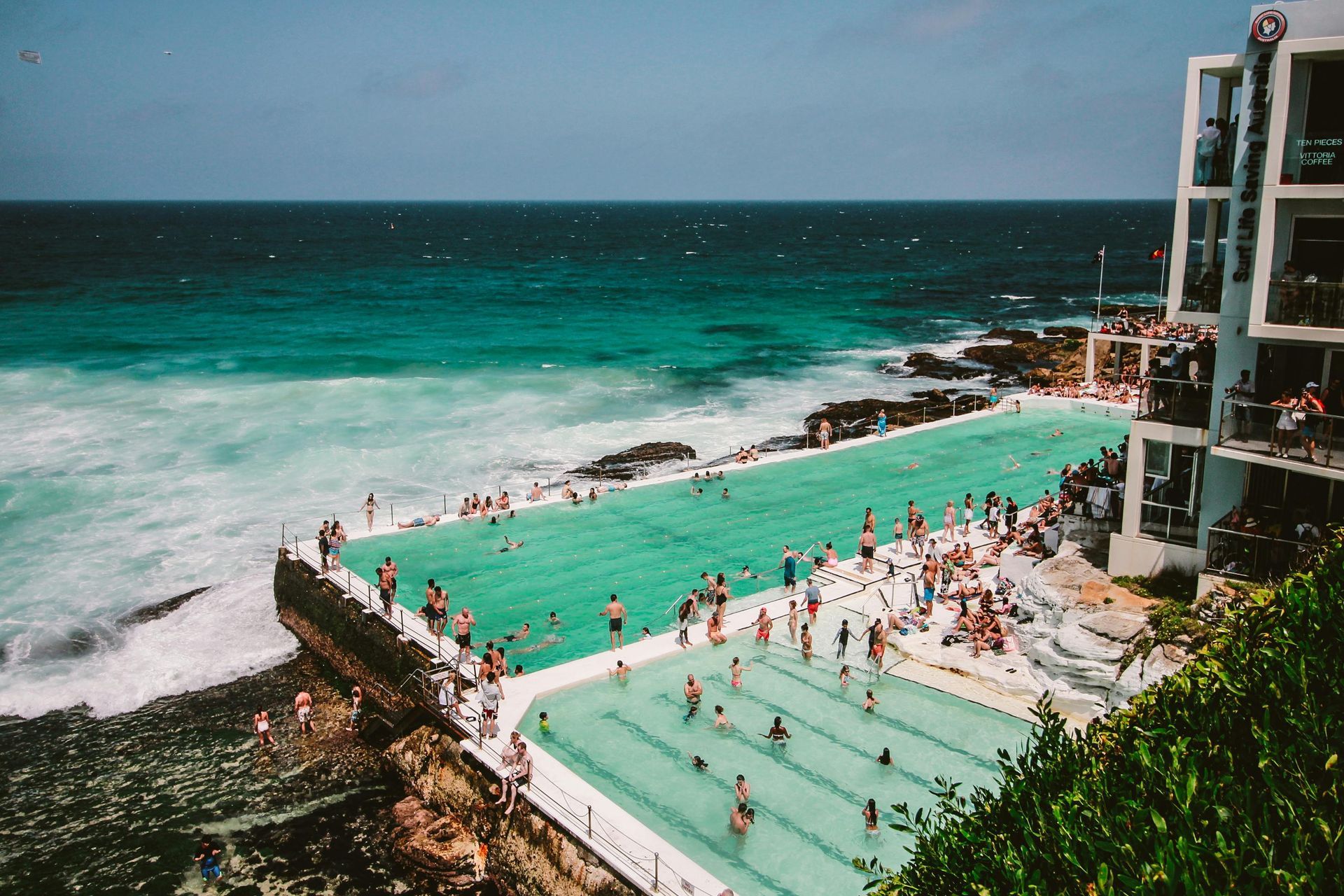
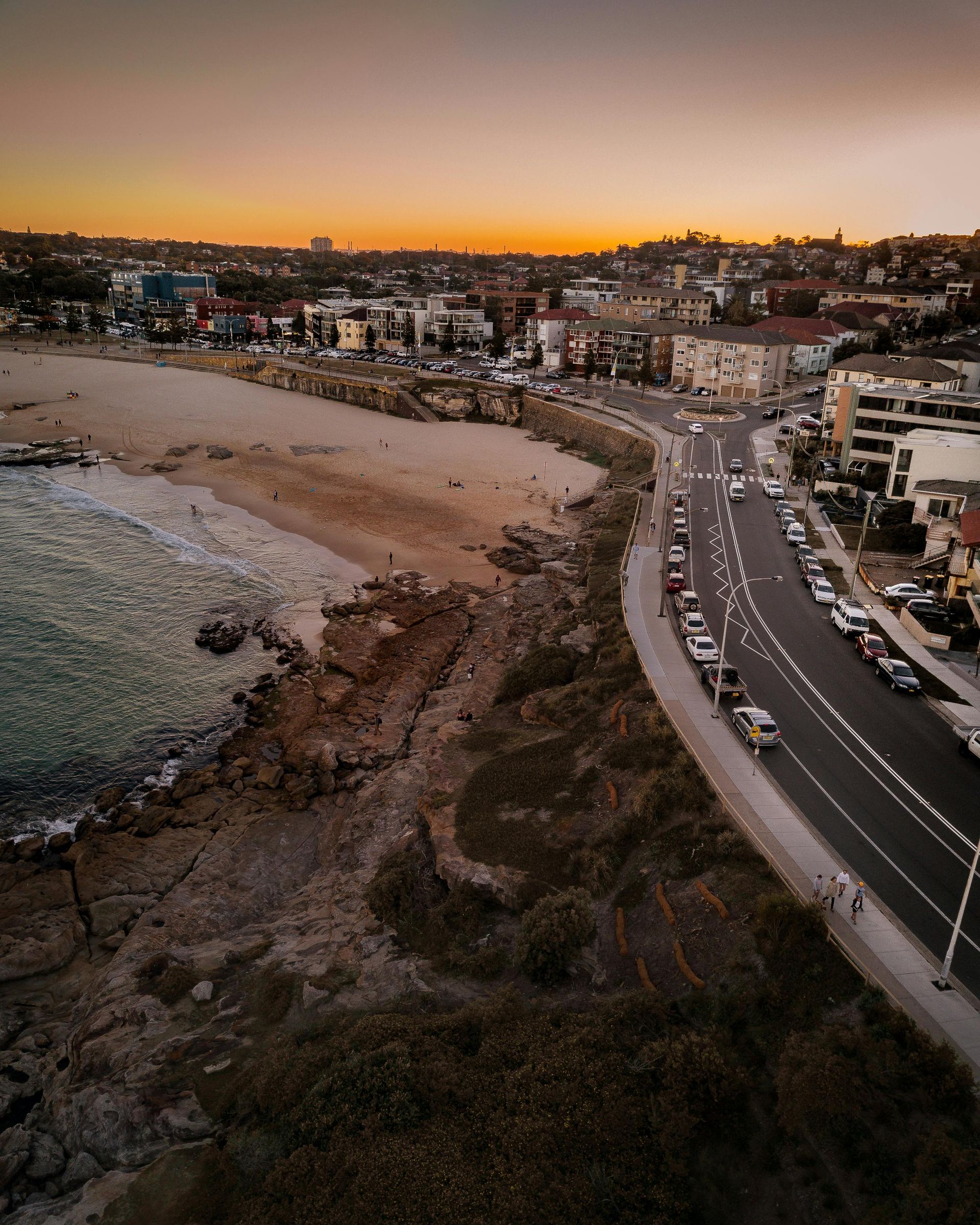
While Bondi and Coogee have long been the poster children of Sydney’s East, many buyers are now priced out and that’s where the story gets interesting. Head a few kilometres south, and you’ll find Maroubra, Malabar and Matraville quietly offering something rare: genuine community, beachside living, and (relatively) more attainable entry points.


These are the hidden gems of the east pockets where you can still find family homes, sea breezes and a little breathing space. Maroubra, in particular, delivers that true coastal lifestyle without the crowds. Malabar brings tranquillity and protected waters, while Matraville, once overlooked, has transformed into a thriving, family-friendly hub.


As a buyer’s agent, this is where I often help clients make their smartest moves areas where lifestyle meets long-term capital growth.


Why Demand Never Slows Down


The Eastern Suburbs are not just a location  they’re a lifestyle statement. Residents enjoy world-class beaches, elite schools, top-tier dining, and quick city access. Add in strong rental demand from professionals and international students, and you have a property market that rarely takes a breath.


Even modest homes command high competition because people aren’t just buying bricks and mortar  they’re buying belonging, prestige and the lifestyle that comes with “living in the East.”


A Buyer’s Agent’s Take

Navigating the Eastern Suburbs market takes more than weekend inspections and wishful thinking. The best opportunities are often off-market, shared quietly among trusted networks. That’s where we come in.


The Eastern Suburbs will always be Sydney’s golden coastline but the smartest buyers know the gold extends further than Bondi. Whether it’s Maroubra’s laid-back surf culture, Malabar’s peaceful bays, or Matraville’s growing family scene, there’s a new kind of east emerging one that balances prestige with potential.


Don’t waste another weekend stuck in inspection queues. Let PB Property find your home while you enjoy the beach you’ll soon call yours. Get in touch!


share to

By Pina Brandi December 10, 2025
Around 2017–2018, growth stalls and dips modestly after APRA’s investor growth cap (2014) and interest‑only cap (2017), which is the effect you’re asking about.
By Pina Brandi December 1, 2025
Melrose Park’s transformation from an industrial precinct into a residential and mixed-use community has been a strategically significant shift for Sydney’s urban future. Historically, the area was home to pharmaceutical and light-industrial operations, but over time these industries declined, consolidated elsewhere, or simply outgrew the outdated warehouses and fragmented road layout. Keeping the land zoned industrial would have meant under-utilising a large, strategically located pocket of Sydney at a time when housing demand is at critical levels. Redeveloping Melrose Park allows Sydney to introduce thousands of new homes in an inner-suburban area without pushing growth further to the city’s outskirts. With capacity for around 10,000–11,000 dwellings, plus retail, open space, a new high school and community facilities, the precinct is envisioned as a self-contained, modern neighbourhood with liveability at its core. Instead of being an isolated residential pocket, Melrose Park is being planned as a walkable, amenity-rich town centre where green spaces, urban parks, and mixed-use buildings form a cohesive and sustainable environment. Its location is one of its strongest advantages. Positioned on the Parramatta River, the suburb sits almost exactly halfway between Sydney CBD and Parramatta CBD, making it highly attractive for commuters who want balance, convenience and lifestyle. It is minutes from major employment hubs, established transport corridors like Victoria Road, and future connections that will further integrate the precinct into Sydney’s broader network. The land parcel is also unusually large and contiguous for an inner-suburban area, enabling a full masterplan rather than piecemeal development.  Overall, the shift from industrial to residential in Melrose Park wasn’t just a rezoning exercise; it was a strategic realignment of land use to meet Sydney’s changing economic, demographic, and lifestyle needs. Its prime location ensures the precinct will continue to attract demand, support growth, and deliver long-term value for residents and investors alike.
By Pina Brandi November 29, 2025
APRA has been explicit that the DTI cap is a financial‑stability tool, but it is deliberately designed not to choke off finance for new housing supply
Show More