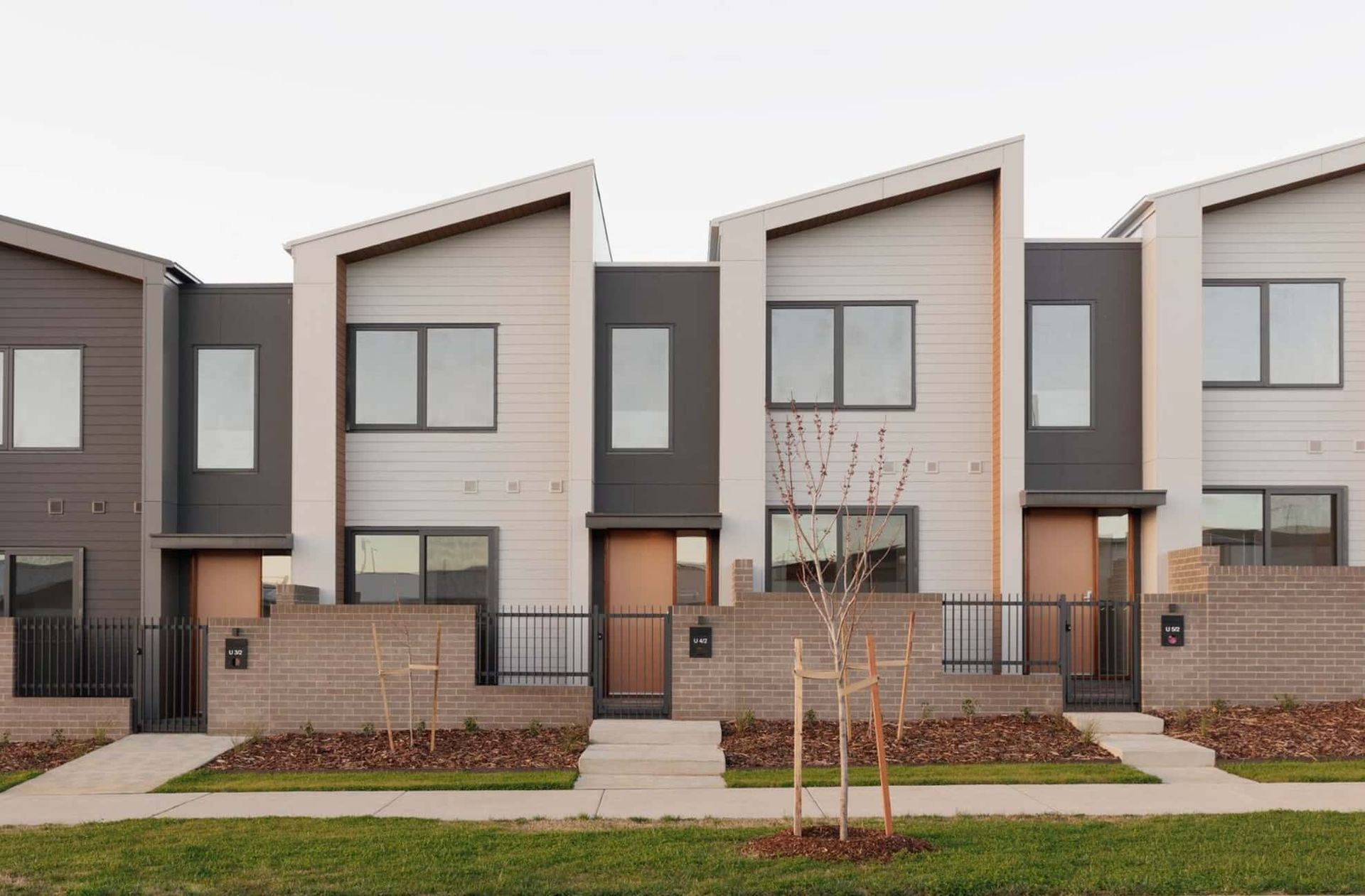
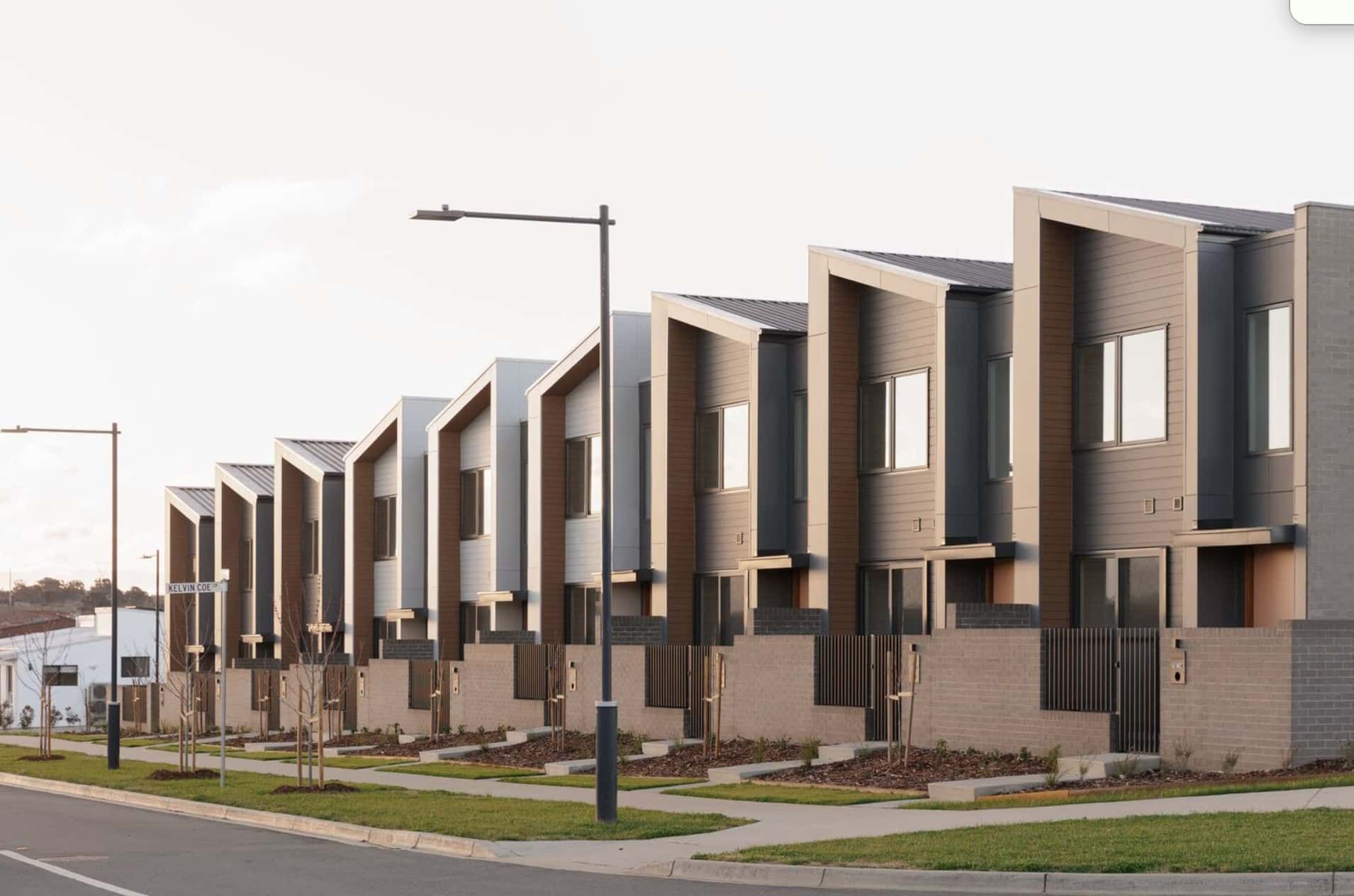
Why More Investors Are Turning to Townhouses in the ACT
Pina Brandi • June 4, 2026

Townhouses sit comfortably between houses and apartments, offering many of the benefits of a detached home without the premium price tag. For first-time investors who want more land than an apartment can provide but cannot yet stretch their budget to a freestanding house, a townhouse can be an excellent entry point into the property market.


One of the key reasons townhouses continue to attract investor interest is their balance of affordability and land ownership. In property, land is often the component that appreciates over time, while buildings depreciate. Although a townhouse generally sits on a smaller parcel of land than a detached house, it still provides exposure to land value growth, something that many apartment buyers receive in much smaller proportions.


The Canberra market is particularly well suited to townhouse investing. The city continues to experience strong population growth, driven by public sector employment, defence industries, tertiary education, and a highly skilled workforce. Many young professionals, government employees, and growing families are seeking housing options that provide more space than an apartment while remaining affordable compared to detached homes.


As a result, modern townhouses have become increasingly popular across Canberra's growth corridors and established suburbs alike. They often feature multiple bedrooms, private courtyards, garages, and flexible living spaces that appeal to a broad tenant demographic. This wider tenant pool can help reduce vacancy risks and improve rental demand over the long term.

Another factor that makes townhouses attractive is the lower entry price compared to houses. In many Canberra suburbs, the price difference between a townhouse and a detached house can be several hundred thousand dollars. For investors, this can mean a lower deposit requirement, reduced borrowing costs, and the ability to enter the market sooner rather than waiting years to save for a standalone home.


When considering an investment in the ACT, buyers should also understand how property ownership differs from other Australian states. Unlike most jurisdictions, land in the ACT operates under a Crown lease system rather than traditional freehold ownership. Under this arrangement, buyers purchase a long-term Crown lease rather than owning the land outright. In practical terms, however, this functions much like ownership, and ACT residential leases are generally granted for 99 years and routinely renewed. For most homeowners and investors, the leasehold system has little impact on everyday ownership or resale values.


Investors should also be aware of conveyance duty, commonly known as stamp duty. When purchasing residential property in the ACT, conveyance duty is generally payable based on the property's value. The ACT Government has been progressively reforming its property taxation system, reducing reliance on stamp duty while increasing annual rates and land-based taxes. Depending on the purchaser's circumstances and the type of property acquired, various concessions and exemptions may be available.


Tax Deductible Stamp Duty


One of the lesser-known advantages for Canberra property investors relates to the ACT's unique leasehold land system. Unlike most Australian states where stamp duty is treated as a capital cost and generally added to the property's cost base, the ACT's Crown lease structure may allow investors to claim conveyance duty as a deductible lease-related expense. This potential tax benefit arises because buyers acquire a leasehold interest rather than freehold land. Investors should always seek independent tax advice, as eligibility depends on individual circumstances and current ATO guidance.

For investors looking to build wealth over the long term, townhouses offer a compelling proposition. They typically provide a more affordable entry point than detached homes, greater land exposure than apartments, and broad appeal to Canberra's growing tenant base. As housing affordability continues to challenge buyers across Australia, the demand for well-located townhouses is likely to remain strong.


While every investment decision should be based on individual goals, risk tolerance, and thorough due diligence, townhouses represent a practical stepping stone for investors who want to move beyond apartment living but are not yet ready to purchase a house. In a market such as Canberra, where housing demand remains underpinned by stable employment and population growth, townhouses may provide the ideal balance between affordability, rental demand, and long-term capital growth potential.


Interested about this topic? Book a chat now!

share to

By Pina Brandi May 28, 2026
Discover how Melbourne shifted from a booming property investment hotspot before 2020 to a slower market facing investor uncertainty, rising taxes, weaker sentiment and changing housing trends.
By Pina Brandi May 21, 2026
The latest Federal Budget may end up becoming one of the biggest turning points for Australian property investors in decades. One of the biggest changes investors are likely to make is placing far more importance on cash flow and holding costs.
By Pina Brandi May 14, 2026
The government’s direction is becoming increasingly clear — encourage investment into new housing supply rather than existing homes.
Show More